
Scania fossil free energy: great progress on climate targets
For the first time since it set its Science Based Targets, Scania is reporting on its progress in reducing emissions, both from its own operations using a larger percentage of fossil free energy and from the use of its ecological vehicles.
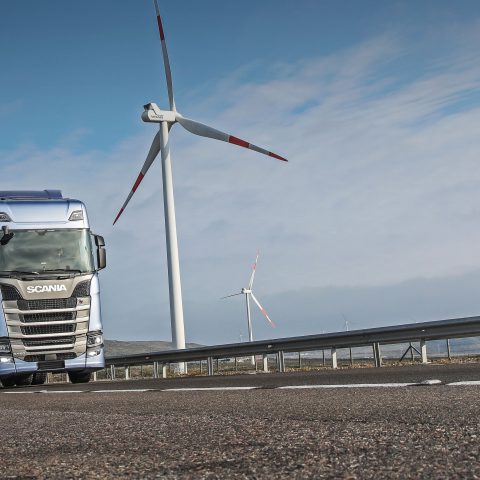
Scania aims to pave the way when it comes to fossil free energy. As a matter of fact, nn its own operations, Scania has already reduced carbon emissions by 43 percent compared to 2015 levels, thanks to increased energy efficiency, reduced energy waste and a switch to renewable energy. This means the global company is on track to meet its target of a 50 percent reduction by 2025.
Scania fossil fuel free electricity at all production sites
«We are ahead of schedule in reducing carbon emissions in our global operations. This is mainly due to the switch to fossil fuel-free electricity generation at all our production sites during 2020», highlighted Henrik Henriksson, President and CEO of Scania. Scania is also committed to reducing the emissions generated by its products by 20 percent by 2025, compared to 2015.
«We have also made progress in reducing emissions, from our vehicles in use, which make up more than 90% of Scania’s total emissions», Henriksson continues. Scania starting in 2015 from a set level of 100%, has currently reached 95.8%, a reduction of just over 4%. Scania has a target of 80% by 2025 at the latest. Carbon emissions from Scania products in use are measured ‘well-to-wheel’. This means that emissions generated by fuel and electricity production are also taken into account.
Working side by side with customers to reduce emissions
Even more significant progress is currently being made as Scania continues to work with its customers, with a major focus on maximising the energy efficiency of traditional powertrains while increasing the share of biofuel vehicles, both immediately and retroactively on the existing fleet.
Scania will progressively increase the volumes of electric vehicles and will do so by offering at least one new application per year within the bus or truck sector. «Our climate goals are deeply rooted in the daily decisions that are made throughout our company. They are fundamental to our strategy and are part of our corporate objectives. They are our guiding star, a guide that always shows us the direction. We are constantly striving to improve the environmental performance of our products, processes and services», Henriksson concludes.